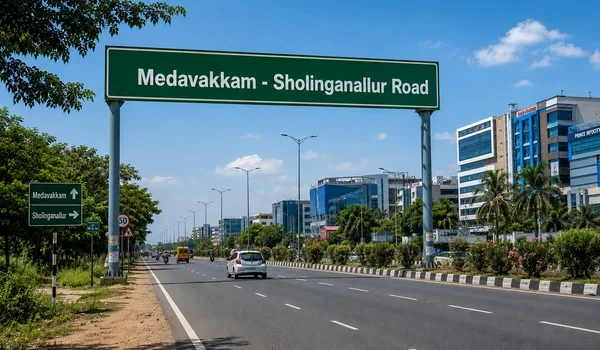
What Documents Do I Need to Buy Property in Chennai?
Featured Image of What Documents Do I Need to Buy Property in Chennai?


Buying property in Chennai needs some important documents like the Parent Deed, Sale Deed, Encumbrance Certificate, and Patta. You also need approval papers from local authorities like CMDA or DTCP. Checking all these documents helps you avoid legal issues, court problems, and illegal construction. This simple guide covers all the key papers you need to buy a home or plot in Chennai safely.


Below is a simple guide to all the important documents you need when buying property in Chennai:


1.Parent Deed (Mooladharam)

The Parent Deed is the basic root document that tracks who owned the property over the last 30 years. You need this to verify that the seller has the absolute right to hand the property over to you. If the owner lost the original paper, they must get a certified copy from the Sub-Registrar's office. They also need to print a notice in local English and Tamil newspapers about the lost file.

2. Sale Deed

A Sale Deed is the final legal document made during property registration. It proves that the buyer is now the legal owner of the property.

It is prepared on stamp paper as required by law and contains important details like the final purchase price, property size, and boundary details.

3. Encumbrance Certificate (EC)

An Encumbrance Certificate is a government record showing that the property has no active bank loans or legal battles. A clean EC is mandatory if you want to get a home loan from a bank.

4. Patta Chitta

Patta is a government document in Tamil Nadu that shows the name of the person who owns the land. It is used as proof of ownership. Chitta is another record that gives details about the land, like its total size and whether it is dry land or wet land. Both Patta and Chitta should be checked to make sure the land is legal and not on government land, lakes, or other protected areas.

Planning Approvals and Building Compliance Documents


1. CMDA or DTCP Approved Layout Plan

CMDA approval is a legal permission needed for buildings inside Chennai city limits. DTCP approval is required for properties located outside the main city areas. If a layout does not have CMDA or DTCP approval, it is considered illegal. In such cases, the government may even take action, and the building could be demolished.

2. Local Body Planning Permission

Planning permission is an official approval given by local authorities, like the Greater Chennai Corporation, to build a house or building.

It confirms that the construction follows the approved plan and rules.

This permission is valid only for a fixed time. If any extra floors are built without approval, they are considered illegal.

3. Completion Certificate (CC)

A Completion Certificate is an official document stating that the builder built the project according to local safety rules. You must have this paper to get a permanent power connection from TANGEDCO. It is also required to get drinking water lines from CMWSSB.

Tax Compliance and Financial Clearances


1. Property Tax Receipts

Property tax receipts show that all property taxes have been paid. Before buying a house or plot, check the latest receipts. This helps you avoid any unpaid tax bills later.

2. Electricity Bill and Water Tax Records

The TANGEDCO electricity card and CMWSSB tax bills prove that utility lines are active and fully paid. You need these bills to confirm that the house does not have past utility fines or cut-off notices. After the purchase, you will use these same bills to transfer the utility accounts to your name.

Essential Documents for Under-Construction and RERA-Registered Projects


1. TNRERA Registration Certificate

The TNRERA certificate is a mandatory consumer protection document issued by the state real estate regulatory body. You can verify this number on the state portal to see if the project is legal.

When you look at new property launches in Chennai, always check these three items:

  • Official Launch Date: The exact day the project was approved by the government and opened for sales.
  • Committed Possession Date: The legal deadline when the builder must hand over the keys and the Occupancy Certificate to you.
  • TNRERA ID: The project registration code that you can look up on the state website.

2. No Objection Certificates (NOCs)

No Objection Certificates are safety clearances given by departments like the Fire Service and the Pollution Control Board. You need these papers to prove that the building is safe and complies with height rules.

Buyer and Seller Personal KYC Documentation


Identity and Address Proofs

KYC documents are government identity papers required by the registration office to log who is buying and selling. You must carry your original cards to your SRO appointment.

  • Aadhaar Card: Used to verify identity with thumb and face at the office.
  • PAN Card: Needed for tax records on big payments.
  • Voter ID / Passport: Used to prove name, photo, and address.

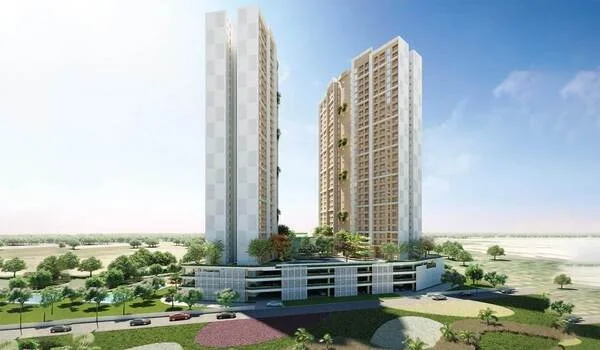
Prestige Group Prelaunch Project is Prestige Falcon City Chennai.

FAQs


1. What is the minimum number of years required for an Encumbrance Certificate (EC) in Chennai?

An EC must cover at least 30 continuous years to verify that there are no old mortgages or legal issues on the land.

2. Can I buy an apartment in Chennai if the builder does not have a Completion Certificate?

No, you should avoid buying an apartment without a CC because you cannot get permanent power or water hookups.

3. How do I verify if a residential plot layout in Chennai is legal?

You can verify it by checking for an official CMDA or DTCP approval code printed directly on the layout map.

4. Is a Patta applicable for a multi-story apartment purchase in Chennai?

An individual does not get a separate Patta for a flat, but the main land plot must have a clear master Patta.

5. What happens if the seller has lost the original Parent Deed of the property?

The seller must file a police report, print an ad in local newspapers, and get a certified copy from the registrar.

Prestige Falcon City Chennai Blog


Enquiry
Enquire Now