Is It Safe to Buy Resale Properties in Chennai?
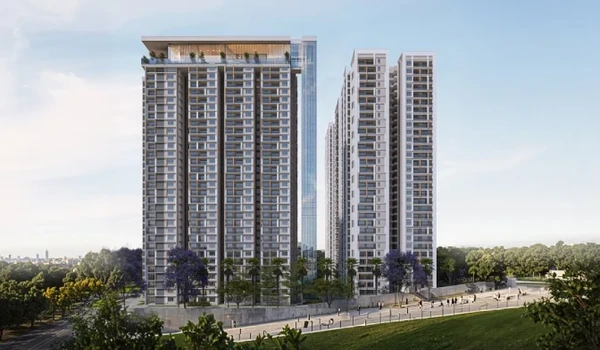
Featured Image of Is It Safe to Buy Resale Properties in Chennai?


Buying a resale property in Chennai is highly secure and perfectly safe if you check the legal paperwork, verify the owner's name, and confirm city approvals before you pay any money. While buying a pre-owned home gives you immediate possession in a great neighborhood, your safety depends completely on finding hidden debts or property disputes. If you do not check the history of the home carefully, you might face heavy court costs, local fines, or ownership fights later.

Why People Choose Resale Homes in Chennai


Resale homes in Chennai are popular because they let you move in right away without waiting for builders to finish construction. You do not have to pay extra goods and services tax (GST), and you can see the room sizes and building quality with your own eyes before buying. Popular old areas like Adyar, Anna Nagar, and Velachery have almost no empty land left for new projects, making resale homes the easiest way to live in these prime locations.

Is It Safe? The Simple Answer


Yes, buying a resale flat is completely safe, but only when you check every single paper and match the owner's name at the government office. The old property market does not have a single online portal to check safety rules, so you must do the homework yourself. When you check the past owners, get a clear report from a lawyer, and view the original tax papers, your money is fully safe.

Three Big Risks in the Chennai Resale Market

  • Broken Chain of Title: This happens when old sale papers or family partition deeds are missing from the record books. If even one old paper is missing, a distant family member can file a case against you later.
  • Hidden Bank Loans: Many sellers try to sell homes that are still tied to a bank loan without telling the buyer. If you buy a property with active loans, that debt legally becomes your problem.
  • Unapproved Construction: Some owners build extra rooms or floors without taking permission from the Chennai Metropolitan Development Authority (CMDA). The local corporation can fine you or break down those illegal parts.

Simple Document Checklist to Keep You Safe


Always ask for these exact documents to ensure a safe purchase:

  • Mother Deed: This main paper shows who owned the land first and how it changed hands over the last 30 years.
  • Encumbrance Certificate (EC): This government paper proves the home has no active bank loans or legal court cases against it.
  • CMDA or DTCP Approved Plan: This map proves the building was built exactly as the city engineers allowed it.
  • Property Tax and Electricity Bills: These small receipts prove the seller has paid all daily utility dues up to the current date.

Step-by-Step Guide to a Safe Purchase:


Step 1: Hire a Good Property Lawyer

Get an independent lawyer to look at the paperwork instead of trusting the seller's words. The lawyer will visit the registration office to make sure the documents are real.

Step 2: Get a 30-Year Encumbrance Certificate

Download a fresh EC for the last 30 years from the online TNREGINET portal. Make sure the seller’s name is listed as the current owner on the final page.

Step 3: Check for Maintenance Dues

Visit the building's Resident Welfare Association (RWA) office in person. Ask them if the seller owes any monthly maintenance money and get a clean "No Objection Certificate."

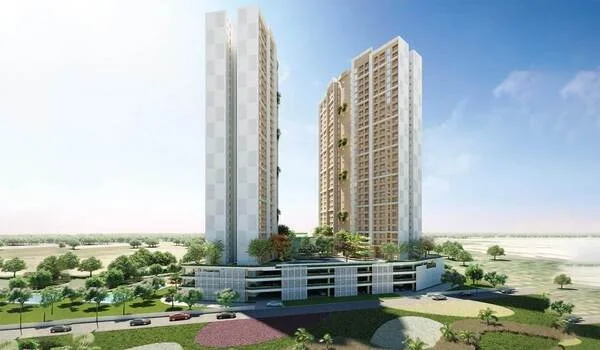
Prestige Group Prelaunch Project is Prestige Falcon City Chennai.

FAQs


1. Can I get a bank home loan for an old resale flat in Chennai?

Yes, all major banks give loans for old properties if the building structure is strong. The bank will send an engineer to check the building's life before giving you the money.

2. What happens if the original parent documents are missing?

If the parent documents are missing, you should not buy the property. Missing papers make it very hard for you to sell the house or get a bank loan in the future.

3. How do I check if a resale flat is built legally?

You must compare the physical flat layout with the original CMDA-approved blueprint.

4. Who pays the old pending property tax in a resale deal?

The seller must pay all old property taxes, water taxes, and electricity bills before the day of registration. Always check the final receipt prints before you sign.

5. Is RERA registration required for flats built before 2017?

No, buildings finished before the year 2017 do not need a RERA number. For these older flats, a CMDA approval plan and a completion certificate are enough to prove legality.

Prestige Falcon City Chennai Blog


Enquiry
Enquire Now