How to Read a Builder's Audited Results Before Buying a Flat
Featured Image of How to Read a Builder's Audited Results Before Buying a Flat


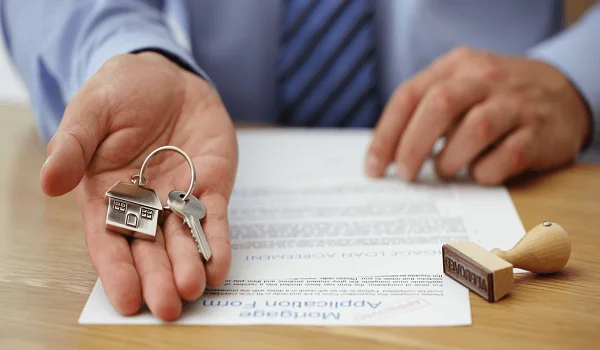
Before you buy a flat, you should carefully check the builder’s audited financial results to make sure they have enough funds to finish the project on time. These reports clearly show the builder’s actual income, total loans, real profit, and cash flow. By studying these details, you can avoid weak builders who may delay or stop construction in between. This is one of the best ways to protect your money from risky or stuck property projects.

1. Check the Revenue and Profit


Revenue is the total money a builder earns from sales and projects. Net profit is the money that is left after paying all expenses like land cost, construction cost, salaries, and other charges.

  • Growing Revenue: A steady rise in revenue over three years shows healthy home sales.
  • Positive Profit: Consistent net profit means the builder manages material costs and worker wages well.
  • Loss Warnings: If a builder shows losses for multiple years, they may run out of money to buy cement and steel.

2. Look at the Debt Level


Debt is the total amount of money the builder has borrowed from banks or private lenders to buy land.

  • Low Debt is Safe: Builders with low debt rely on their own funds to construct your flat.
  • High Debt is Risky: High debt means the builder spends your booking money to pay bank interest instead of building your home.
  • Debt vs Income: A builder with high sales can manage debt, but low sales with high debt leads to stopped projects.

3. Check Project Completion History


Audited reports include simple notes that show the builder's actual track record with past buildings.

  • On-Time Delivery: Look at past projects to see if the builder delivers keys on the exact promised date.
  • Unsold Flats: High levels of unsold completed flats mean the builder's cash is locked up, which slows down new work.
  • Past Delays: If the reports show multiple delayed projects, your new flat will likely face the same delay.

4. Review the Cash Flow Statement


The cash flow statement tracks the actual paper cash moving in and out of the builder's corporate bank accounts.
  • Positive Operating Cash Flow: This proves the builder funds daily construction using direct customer bookings.

  • Negative Cash Flow: Negative cash flow means the builder is spending more money than they make from property sales.

  • Cash Reserves: A healthy cash balance ensures that work continues smoothly even during a slow property market.

5. Read the Auditor’s Remarks


The auditor's report is a short letter from an independent accountant that grades the builder's financial honesty.

  • Clean Report: A clean report means the financial papers are correct and show a true picture.
  • Qualified Opinion: This is a clear warning that the accountant found errors or hidden risks in the math.
  • Going Concern: If you see the words "going concern issue," the builder is facing bankruptcy.

6. Check Legal and Compliance Status


The financial notes list all active court cases, unpaid taxes, and fines against the development company.

  • Active Disputes: Avoid builders with major land lawsuits, as courts can halt construction at any time.
  • RERA Checks: Always cross-verify the launch date and possession date in these reports with the official RERA website.
  • Fraud Cases: Stay away from companies facing financial fraud investigations or active bankruptcy filings.

7. Compare with Previous Years


Never look at just one single year of financial data when evaluating a builder's business stability.

  • Three-Year Trend: Compare reports from the last three years to see if the company is growing or shrinking.
  • Sudden Drops: A sudden drop in profit usually means a project has failed or sales have crashed.
  • Steady Performance: A developer with steady, predictable numbers over five years is always a safer choice.

Final Thoughts


Reading a builder’s audited financial results may seem difficult, but it is one of the smartest things to do before buying a flat. It shows the builder’s real financial strength, risk level, and ability to complete the project on time. Always check this along with a site visit and RERA verification to make sure your investment is safe.

Prestige Group Prelaunch Project is Prestige Falcon City Chennai.

FAQs


1. Where can I find a builder's audited results?

You can find these results on your state's official RERA portal under the builder's specific project registration page. If the builder is a public corporate company listed on the stock market, you can find them on the BSE or NSE websites.

2. What is the most important financial number to check?

The most important number is Operating Cash Flow. If this number is positive, it proves the builder generates enough money from active home sales to construct the building without needing to take out bad loans.

3. Does a RERA number mean the builder is financially safe?

No, a RERA number only means the project matches local city laws and land titles. It does not mean the builder is rich or safe from debt, so you still need to check their balance sheet.

4. What should I do if the auditor gives a qualified opinion?

If the auditor gives a qualified opinion, it means the financial records have serious issues. You should talk to a financial expert or look for a different property project managed by a cleaner builder.

5. Why do project launch and possession dates matter?

You must compare the official launch date with the promised possession date in the audited notes.

Prestige Falcon City Chennai Blog


Enquiry
Enquire Now