Freehold vs Leasehold in Chennai: What's the Difference?
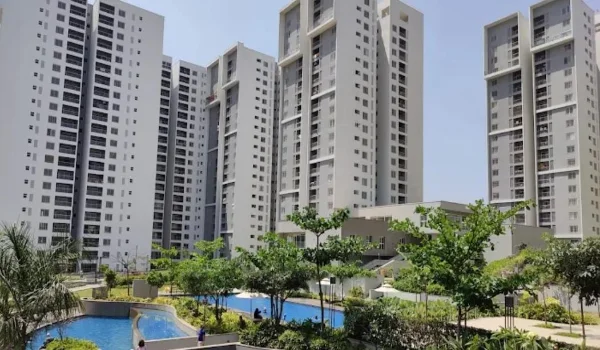
Featured Image of Freehold vs Leasehold in Chennai: What's the Difference?


The biggest difference is ownership. In freehold, you own the land forever. In a leasehold, you own the property only for a fixed time. In a freehold property, you own both the land and the building forever. In a leasehold property, you only buy the right to live in the building for a set time, like 30, 60, or 99 years, while the land belongs to a landlord or a government group like the Chennai Metropolitan Development Authority (CMDA). Freehold homes give you total control and better resale profits over time. Leasehold properties cost less to buy at first, but they come with strict time limits and rules for renewal.


What is a Freehold Property?


A freehold property gives you full and permanent ownership of the building and the land plot under a government document called a Patta. When you buy a freehold home, your name goes into the local sub-registrar records with no expiry date on your rights. You have the full freedom to sell the home, rent it out, change the structure, or give it to your children. You never have to ask an outside landlord for permission or pay extra transfer fees to shift the title.

Key Advantages of Freehold Ownership

  • Total Property Freedom: You can rebuild or repair your home easily by following the standard CMDA city planning rules.
  • Higher Cash Growth: Land prices in fast-growing Chennai areas belong fully to you, which raises your wealth over the years.
  • Easy Family Gifts: You can pass the property to your kids using a simple registered will or a gift deed.
  • Pure Rental Income: You can rent out your flats or shops without sharing your monthly income with a primary landlord.

What is a Leasehold Property?


A leasehold property gives you the right to use and live in a property for a fixed time through a lease contract. The actual land remains the property of a primary owner, which is usually a state group like the Tamil Nadu Housing Board (TNHB). When this time frame ends, the property goes back to the landowner unless you renew the lease by paying a high market fee. You do not own the ground beneath your feet; you only buy the right to stay there for a specified time.

Critical Realities of Leasehold Assets

  • Dropping Home Value: The market value of a leasehold home goes down as the years on the contract count down to zero.
  • Strict Sale Rules: You must get a formal No Objection Certificate (NOC) from the landlord before you can sell the property.
  • No Big Changes: You cannot break walls, add floors, or turn a house into a shop without clear written proof from the owner.
  • Yearly Land Fees: Most lease agreements force you to pay a regular ground rent to the primary landlord every year.

Freehold vs Leasehold: Direct Structural Comparison


Feature Freehold Property Leasehold Property
How Long It Lasts Permanent ownership with no end date. Fixed time limits like 30, 60, or 99 years.
Land Ownership Proof Sale Deed and Patta land record. Registered Lease Deed from the landlord.
Buying Cost Higher price because you buy the land. 20% to 30% cheaper than freehold homes.
Home Loan Access Very easy to get from public and private banks. Hard to get if the remaining lease time is short.
Selling the Asset You can sell anytime without permission. Needs an NOC and extra fees for the landlord.
Building Changes Easy to do by following local city rules. Needs full written consent from the landowner.

How to Convert a Leasehold Property to Freehold in Chennai


Converting a leasehold property to freehold in Chennai is possible if the main landlord is a state group like the TNHB or CMDA. The Tamil Nadu government often announces special schemes that let people buy the land title permanently. This process changes your status from a long-term tenant into the absolute owner of the property.

Step-by-Step Conversion Procedure:

Step 1. Check Government Rules:

Check the latest Tamil Nadu Government orders to see if your property can be changed from leasehold to freehold.

Step 2. Pay All Dues:

The all pending payment are clear after applying for a non-dues certificate.

Step 3. Send Your Files:

Submit a formal application to the TNHB or CMDA with your lease deed, ID proofs, and site maps.

Step 4. Pay the Fees:

Pay the conversion premium amount, which is a set share of the local land values tracked by the state.

Step 5. Register the Title:

Sign the fresh Conveyance Deed at the local Sub-Registrar Office to secure your permanent land ownership.

Legal Checklist Before Purchasing Property in Chennai


Important Note: Before you pay any token money or sign a booking form for a home in Chennai, check the land paperwork thoroughly.

  • Check the Encumbrance Certificate (EC): Look at 30 years of EC data on the TNREGINET online portal to ensure there are no active bank loans or legal cases on the home.
  • Read Parent Documents: Trace old sale papers back through past owners to ensure the chain of ownership has no gaps.
  • Verify the Patta: For freehold deals, make sure the Patta land paper matches the exact name of the person selling the property.
  • Check RERA Approvals: Ensure the building plan has a valid green stamp from the CMDA and an active TNRERA registration code.

Conclusion: Which Property Type Fits Your Strategy?


The right choice depends on your budget and what you need. If you want to own the property forever, a freehold property is the better option. If you are looking for a lower-cost option, a leasehold property may suit you. Before you buy, check all the property documents carefully and, if needed, take advice from a property lawyer.

Prestige Group Prelaunch Project is Prestige Falcon City Chennai.

FAQs


1. Which property is best for long-term use?

A freehold property is a good choice because you own the land and the building with no time limit.

2. Can I get a bank home loan for a leasehold property in Chennai?

Yes, you can get a home loan for leasehold properties from major banks. However, banks require that the remaining lease time on the land is at least 15 to 20 years longer than your total loan repayment period.

3. What happens when a 99-year property lease ends in Chennai?

When the lease ends, the legal ownership of the land and the building goes back to the primary landlord. To keep staying there, you must apply for an extension and pay a high renewal fee based on current market rates.

4. Do I pay different property tax rates for freehold and leasehold homes?

No, the Greater Chennai Corporation calculates property tax using the size of the building, its location, and its usage. The tax rate stays the same whether the underlying land is freehold or leasehold.

5. Can a builder sell an apartment complex on leasehold land?

Yes, builders can build flats on leasehold land owned by government groups or private trusts. In these projects, flat buyers own their apartments and share a leasehold right for a set number of years instead of permanent land shares.

Prestige Falcon City Chennai Blog


Enquiry
Enquire Now