Can NRIs Buy Property in Chennai? Rules Explained
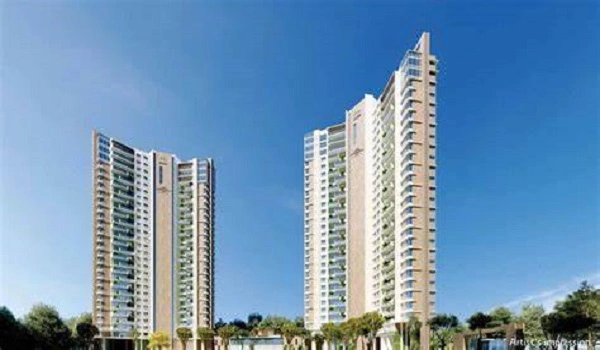
Featured Image of Can NRIs Buy Property in Chennai? Rules Explained


Yes, NRIs (Non-Resident Indians) can legally buy property in Chennai without taking any special permission from the Reserve Bank of India (RBI).

As per FEMA rules, NRIs are allowed to purchase residential properties like flats and houses, as well as commercial properties like shops and offices. However, they are not allowed to buy agricultural land, farmhouses, or plantation land, unless they receive it through inheritance from a resident Indian.

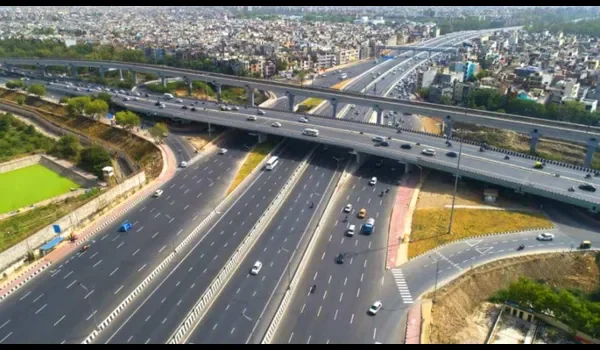
Buying a home in Chennai is a good investment right now. The city is growing quickly because of new IT parks, metro rail expansion, and better highways. This development is increasing the demand for housing. Because of this, you can earn good rental income, and your property value may also increase over time.


What Types of Property Can NRIs Buy in Chennai?


You can freely buy any number of houses or commercial spaces in Chennai. There is no legal limit on how many units you can own. The rules divide land into clear categories to keep the buying process simple and safe for everyone.

  • Allowed Properties: You can buy flats, villas, plots, shops, and warehouses.
  • Banned Properties: You cannot buy farmland or farmhouses under standard purchase rules.
  • The Inheritance Rule: You can only own farmland if a resident Indian gifts it or leaves it to you in a will.

Payment Rules: How NRIs Must Pay for Property


You must pay for your Chennai property through legal banking channels. You cannot use cash or foreign currency notes for any real estate deals in India.

  • Approved Accounts: You must use an NRE, NRO, or FCNR bank account to make payments.
  • Direct Wire Transfer: You can send money directly from your foreign bank account to the builder using safe SWIFT codes.
  • No Cash Allowed: Using paper cash or traveler's checks for property deals is strictly illegal.
  • Using Local Income: If you earn rental income in India, you can use those funds in your NRO account to buy more property.

Simple Document Checklist for NRI Buyers


You need a few basic documents to register your new property with the Tamil Nadu government. Keeping these ready prevents delays at the local sub-registrar's office.

  • Valid Passport: Your Indian passport or an OCI/PIO card to prove your identity.
  • PAN Card: A mandatory Indian tax card required for all major property transactions.
  • Foreign Address Proof: A utility bill or driver's license from your current country.
  • Passport Photos: Standard physical photos needed for the official sale papers.
  • Power of Attorney: Needed only if someone else is signing the papers for you in Chennai.

Using a Power of Attorney (PoA) in Chennai


If you cannot travel to Chennai to sign papers, you can appoint a trusted friend or family member to do it for you. This process is called giving a Power of Attorney.

To make a Power of Attorney (PoA) legally valid, you first need to print the document and get it verified at the Indian Embassy in your current country. The embassy will stamp it to confirm it is genuine. After that, you should send it by courier to your trusted person in Chennai. Finally, your representative must register the PoA at the local sub-registrar's office within three months so it becomes valid for property transactions.

TNRERA Bank Rules: How Your Money Stays Safe


The Tamil Nadu Real Estate Regulatory Authority (TNRERA) helps protect buyers’ money through a simple three-bank-account rule. This means builders must keep their money in separate accounts and cannot mix it with their own personal money or use it for other projects. Your money is used only for the same project you invested in, which makes your investment safer.

The Safe Flow of Your Money


Account Name Money Split Strict Usage Rules
1. Collection Account 100% of your money This account receives all your initial booking fees and stage-wise payments. No cash can be withdrawn manually from here.
2. Separate Account 70% of your money This money is locked. The builder can only spend it on buying land and constructing your specific building.
3. General Account 30% of your money The builder uses this share for marketing costs, office salaries, and local government taxes.

Tax Rules for NRI Property Investments


1. TDS on Purchase

If you buy a home in India worth more than ₹50 lakh from a resident Indian, you need to deduct 1% TDS from the payment and pay it to the government. If you buy the property from another NRI, the TDS is much higher. In that case, it is charged based on the capital gains tax rate, which can be higher depending on the profit made on the property.

2. Tax on Rental Income

The rent you earn from your property in Chennai is taxable as income.
But you also get a simple benefit: the government allows a flat 30% deduction for repairs and maintenance automatically. So, you don’t need to show any bills for this. After this deduction, tax is charged only on the remaining 70% of your rental income.

3. Capital Gains Tax

If you sell your property within 2 years, it is a short-term gain, and tax is as per your income slab. If you sell after 2 years, it is a long-term gain, and you pay 20% tax, plus you get an indexation benefit to reduce tax.

Home Loans for NRIs in India


Most Indian banks give home loans easily to NRIs buying property in Chennai. Your loan approval depends on your salary abroad, job stability, and credit score. If these are strong, getting a home loan becomes easier.

  • Loan Amount: Banks usually fund up to 80% of the property value, so you only need to pay a 20% down payment.
  • EMI Payments: You must pay your monthly loan EMIs directly from your NRE or NRO bank account.
  • Loan Duration: NRI home loans usually run for 15 to 20 years, which is slightly shorter than loans for residents.

Best Places to Buy Property in Chennai


Choosing the right location ensures high rental demand and excellent resale value.

  • OMR (Old Mahabalipuram Road): The heart of Chennai's IT sector. It offers excellent rental yields because thousands of tech professionals live here.
  • Velachery and Adyar: Highly developed residential areas with top schools, premium hospitals, and great connectivity.
  • Porur and Poonamallee: Rapidly growing areas in West Chennai with affordable prices and high growth potential due to the upcoming new airport project.

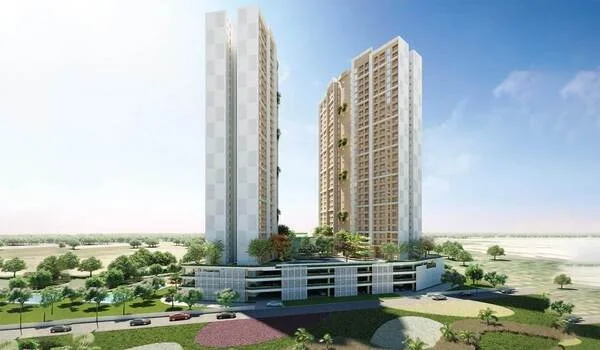
Prestige Group Prelaunch Project is Prestige Falcon City Chennai.

FAQs


1. Can I buy a house in Chennai without visiting India?

Yes, you can buy a house in India without travelling. You need to make a Power of Attorney (PoA), get it stamped at the Indian Embassy in your country, and send it to India.

2. Do I need a PAN card to buy property in Chennai?

Yes, a PAN card is completely mandatory for all real estate purchases in India. If you do not have one, you can easily apply for an NRI PAN card online through the NSDL website.

3. Can an NRI inherit a farmhouse in Chennai?

Yes, you can legally inherit a farmhouse or agricultural land from a resident Indian.

4. What is the maximum booking amount for a flat?

According to TNRERA rules, a builder cannot ask for more than 10% of the total property cost as a booking fee before signing a formal, registered sales agreement with you.

5. Can I send my rental income back to my foreign country?

Yes, you can easily transfer your rental income abroad. The rent money must go into your NRO account first. After you pay the basic Indian income tax, you can transfer up to USD 1 million every year to your foreign account.

Prestige Falcon City Chennai Blog


Enquiry
Enquire Now