GST Impact on New Property Purchases
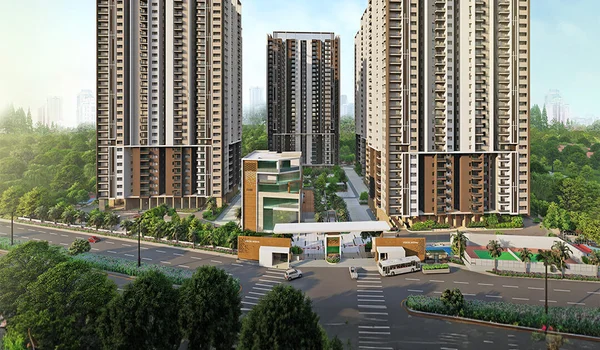
Featured Image of GST Impact on New Property Purchases


The impact of GST (Good and Services Tax), on a new property is that it changes the final cost of buying a new home in India. In 2026, GST is only for homes that are still being built. You do not pay GST on homes that are ready to move into if they have a completion certificate.

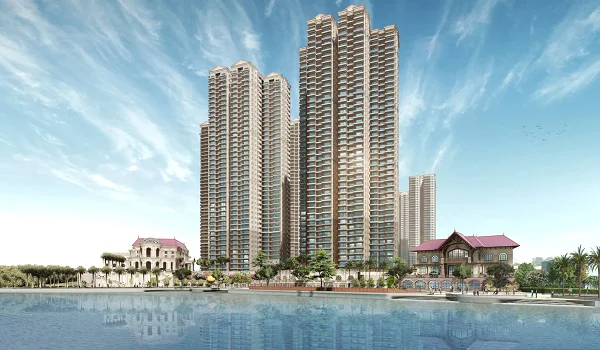
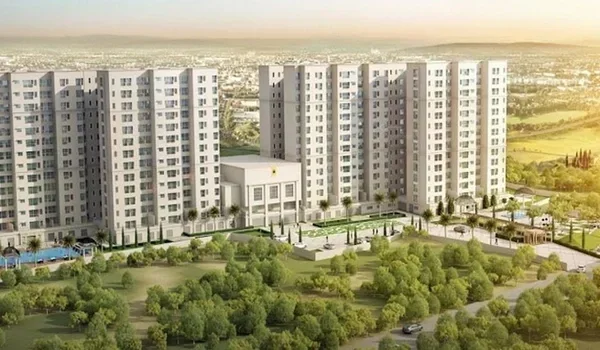
Buyers need to know GST rules because they add to the money you pay the builder. Projects like Prestige Falcon City Chennai have these same GST rules for homes still under construction. Knowing how GST works helps you plan your budget and avoid surprise costs when you buy a home.

What is GST in Real Estate?


GST is a tax that started in India on July 1, 2017. It replaced old taxes like VAT, service tax, and excise duty. In real estate, you only pay GST on certain types of homes. You pay it if you buy an apartment that is still being built.

Homes that are finished and have an Occupancy Certificate (OC) do not have this tax. The government changed the GST rates in April 2019, and these rates are still used in 2026.

GST Rates on Residential Properties in 2026


The GST rate depends on what kind of home it is.

  • Affordable housing has a 1% GST rate (without Input Tax Credit).
  • Other apartments have a 5% GST rate (without Input Tax Credit).

Affordable housing means homes costing up to 45 lakhs. In big cities, the carpet area must be 60 square metres or less. In smaller cities, it must be 90 square metres or less. Luxury homes and villas usually fall into the 5% tax group.

Example of GST Calculation

If you buy a home for 80 lakhs:

  • GST at 5% is: 80,00,000 × 5% = 4,00,000 rupees.
  • You pay 84 lakhs total.
  • If the home counts as affordable housing, GST at 1% would only be 80,000 rupees.

Which Properties Attract GST?


GST is only for homes being built.

This includes:

  • Apartments being built
  • Villas being built
  • Homes bought before they are finished
  • New project launches

GST is not for:

  • Ready-to-move apartments
  • Resale homes
  • Finished homes with an Occupancy Certificate
  • This saves buyers money when they buy a home that is already finished.

Why Does GST Matters for Homebuyers?


GST adds to the total price of the home. You should include this in your money plans. For example, a 5% GST on a 1 crore apartment is 5 lakhs. You cannot ignore this. Buyers compare ready homes and unfinished ones because of GST.

Unfinished homes might look cheaper at first, but GST makes the final price higher. However, these projects often have good payment plans that buyers like.

Benefits of GST in Real Estate

The Goods and Service Tax made taxes simpler for the property market. Before GST people had to pay different taxes like Value Added Tax and service tax and they had to pay them separately. Now people pay one tax amount, which is a lot easier.

This makes property deals a lot clearer and has stopped the confusion of paying different taxes. Builders charge this tax equally which is the same everywhere across India.

Drawbacks of GST for Buyers

GST makes unfinished homes more expensive. Many people choose ready homes to avoid paying GST. Also, builders cannot use the Input Tax Credit benefits for the 1% and 5% tax plans. Some experts think this made construction a bit more expensive. But builders still give discounts and plans to attract buyers.

How GST Affects Home Loan Amounts


Banks usually give loans for the basic home price. You might have to pay the GST money by yourself. Some banks include GST in the loan, but others do not. You should talk to your bank about this before you apply for a loan. This keeps you from running out of money when it is time to book your home.
Tips to Reduce GST Burden


You can pay less GST by choosing homes that are already finished. Buying a ready home with an Occupancy Certificate means you pay zero GST. You can also look for affordable housing projects. Homes with 1% GST can save you lakhs of rupees. Always check if a project fits the affordable housing rules. Read the cost sheet well so you know the exact tax you must pay.

Future Outlook for GST in Real Estate


The future of GST for homes focuses on making buying cheaper and the process clearer. The new GST 2.0 system lowered the tax on building materials like cement from 28% down to 18%. This change lowers the total cost of building a house by 3% to 5%.

Because building is cheaper, developers can now offer better payment plans and lower prices to buyers. This change helps more people afford to buy their own homes.

FAQs


1. Is GST applicable to ready-to-move apartments?

No. You do not pay GST on ready homes that have an Occupancy Certificate.
2. What is the GST rate for affordable housing in 2026?

Affordable housing has a 1% GST rate (without Input Tax Credit).

3. How much GST is charged on luxury apartments?

Luxury and non-affordable homes have a 5% GST rate.

4. Does GST apply to resale properties?

No. GST is not for resale homes.

5. Can GST be included in a home loan?

Some banks include it in the loan, but others do not.

6. Does Prestige Falcon City Chennai attract GST?

Yes. You pay GST if you buy an apartment here that is still under construction.

Prestige Falcon City Chennai Blog


Enquiry
Enquire Now